
PrEP, PEP and HIV Support
Everything you need to know about preventing HIV and accessing free, confidential care, testing and support at NTAHC and Clinic 34.
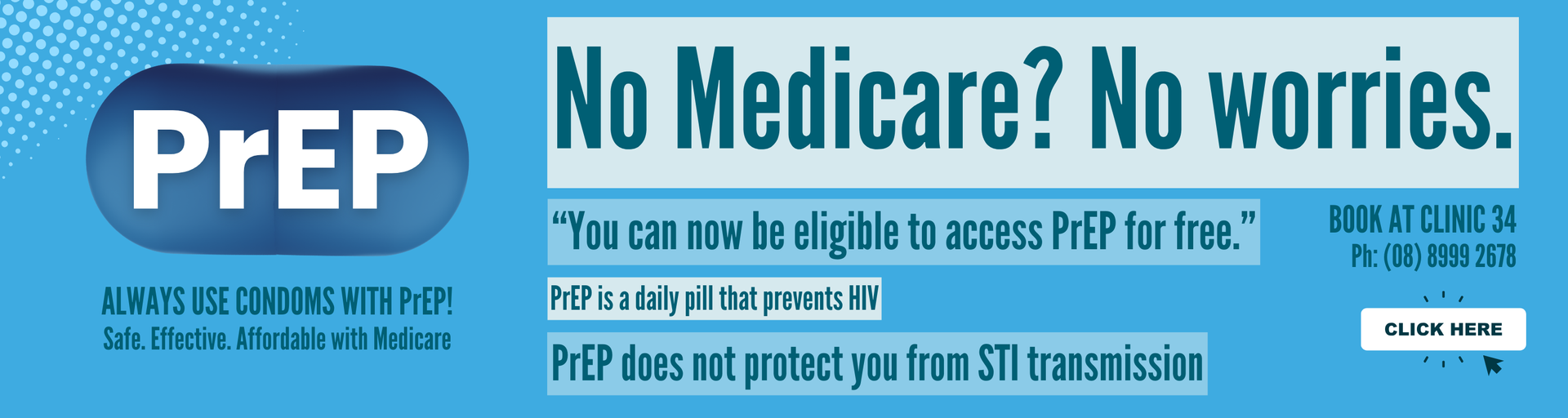
PrEP and PEP are medications that help prevent HIV
PrEP (pre-exposure prophylaxis) is taken before potential exposure to reduce your risk, while PEP (post-exposure prophylaxis) can be taken after a possible exposure to stop HIV from taking hold.
At NTAHC, we provide confidential, inclusive, and culturally safe care to help you access PrEP or PEP — whether you have Medicare or not.
What is PrEP?
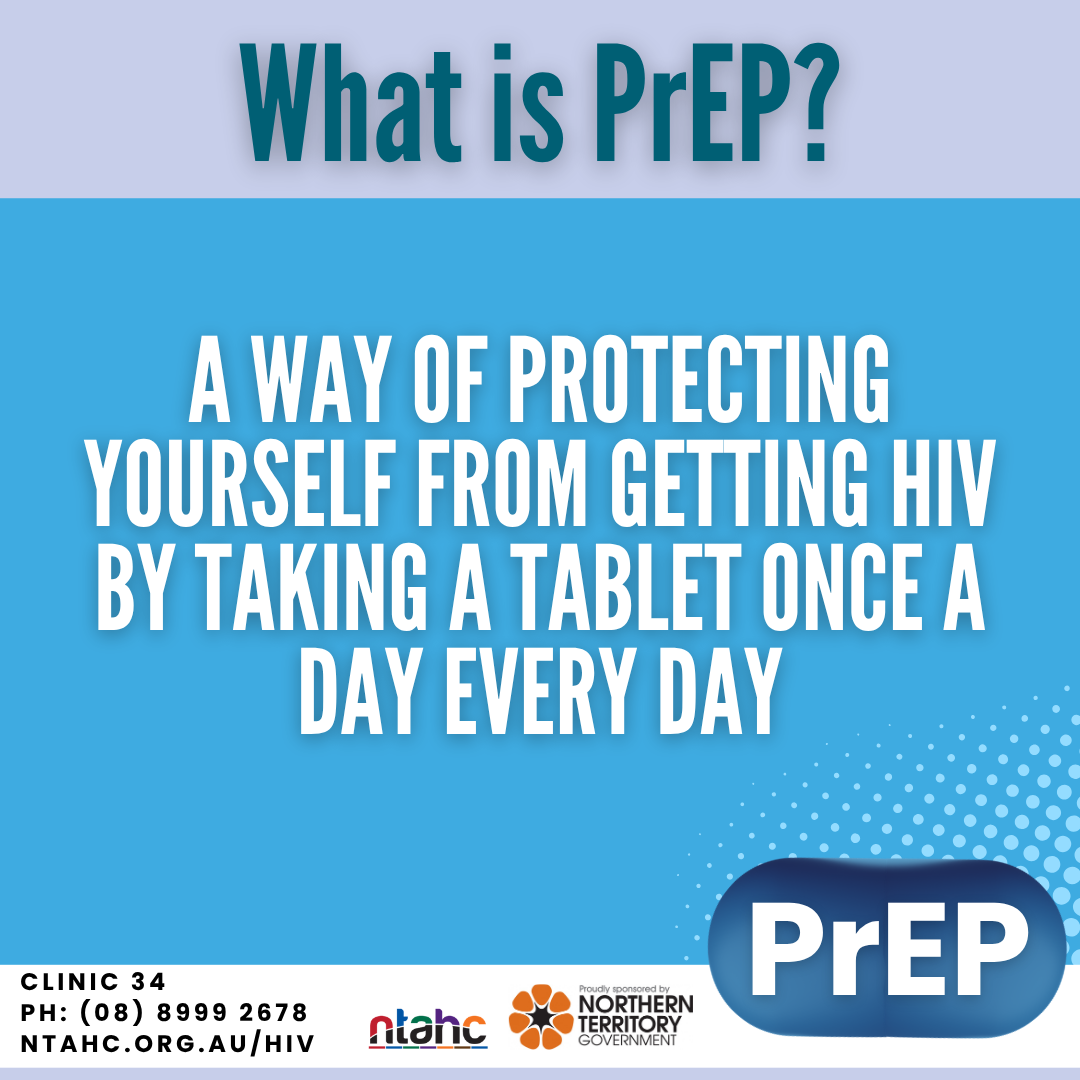
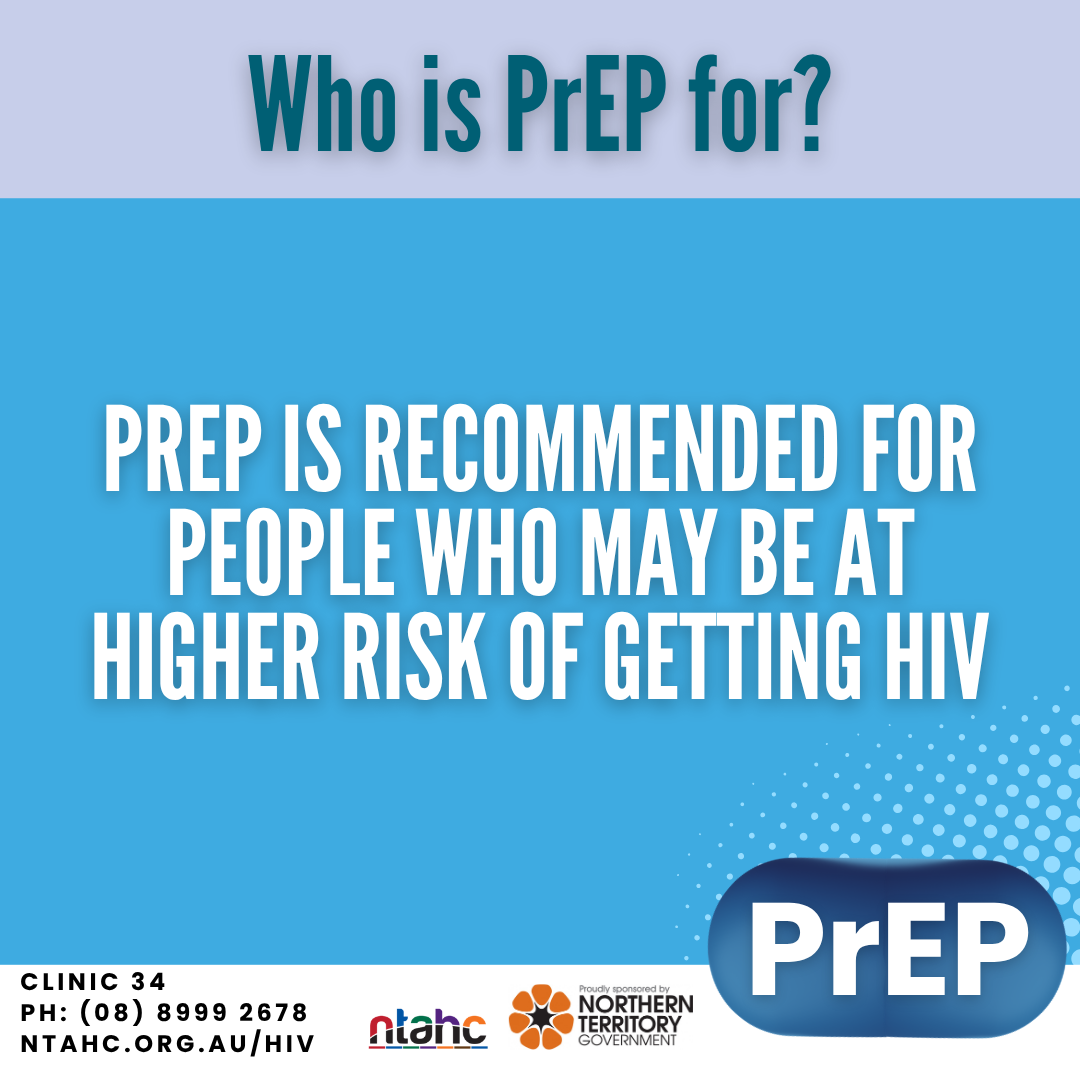
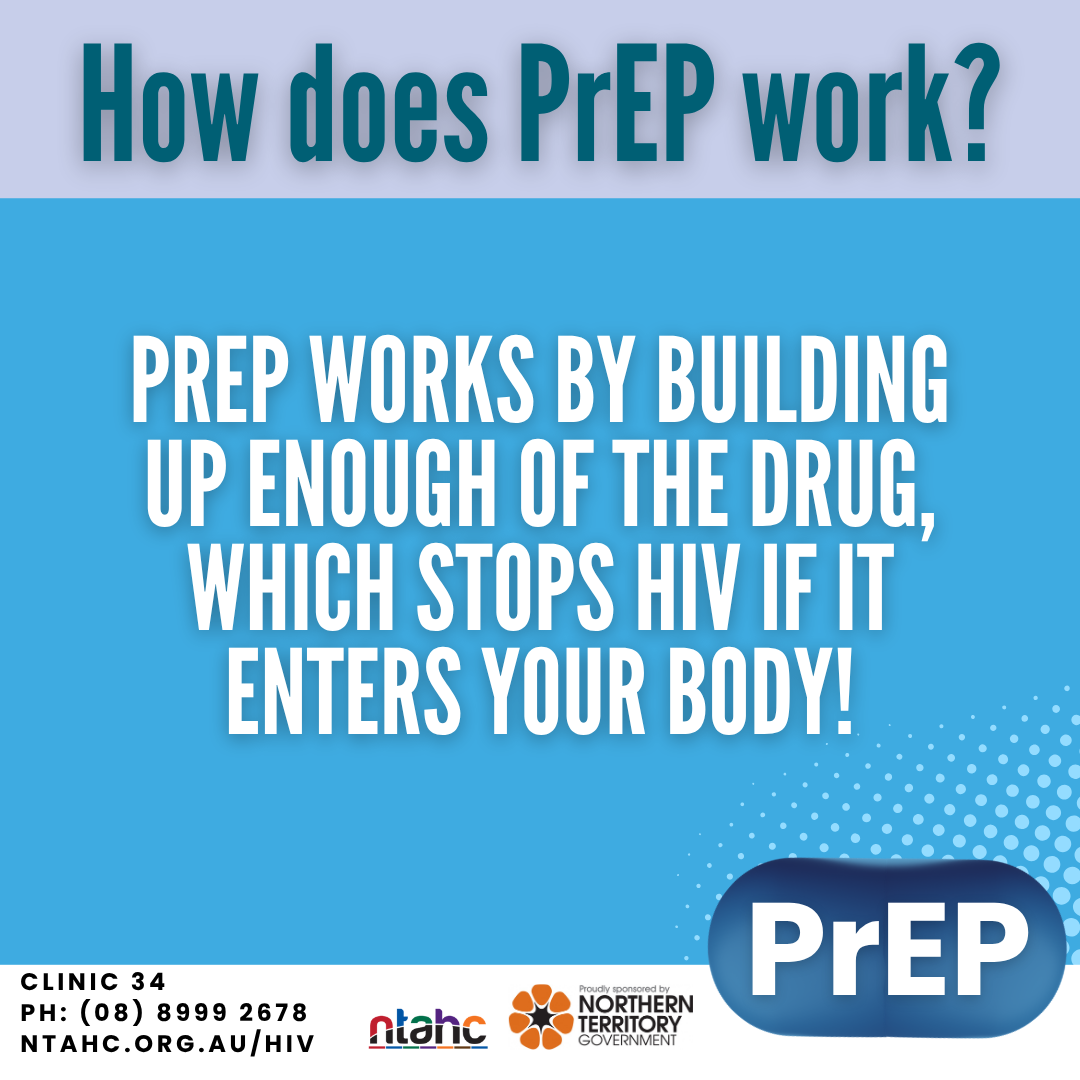
PrEP stands for Pre-Exposure Prophylaxis. This is a way of protecting yourself from getting HIV by taking a tablet once a day every day. PrEP does not prevent you from other infections that you can get when having sex, so it is still important to use condoms to be protected from these.
More information
What is PEP?
Post-Exposure Prophylaxis (PEP) is a medication that can help prevent HIV after a possible exposure.
PEP must be started within 72 hours (3 days) of exposure and is taken for 28 days.
It is most effective when started as soon as possible.
More information
Access PrEP, PEP and STI Care at Clinic 34
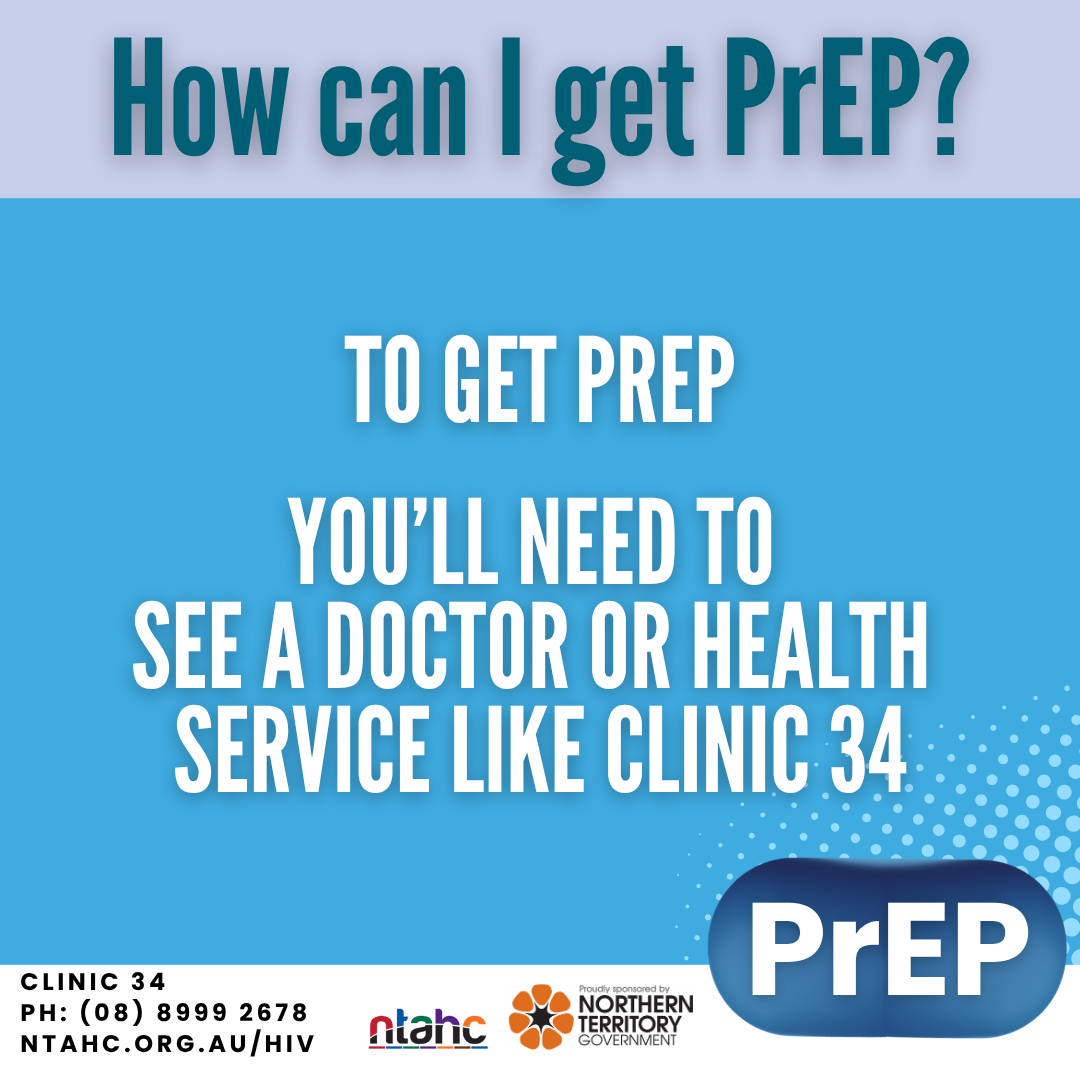
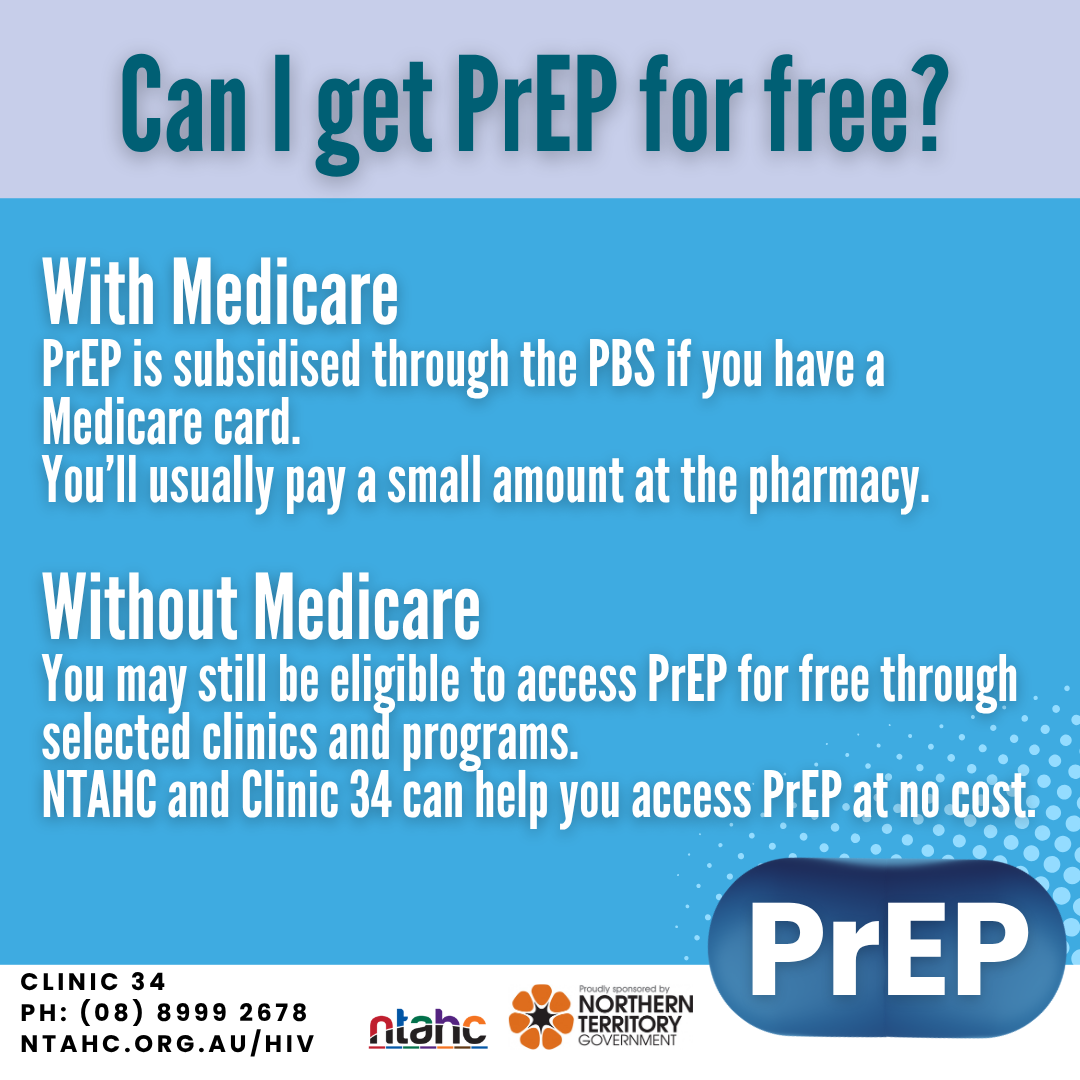
Clinic 34 is a free, specialised sexual health service in the Northern Territory. You can access PrEP, PEP, HIV care, and STI testing and treatment (with or without a Medicare card.)
Find your local Clinic 34
Find contact information and opening hours for your clinic below.
All clinics are closed on weekends and public holidays.
Appointments are encouraged, you should call the clinic if you need a walk-in appointment.
The Spot
We’re here for young people aged 12 to 25
If you’re 12 to 25, The Spot is your place for support with relationships, sexual health, and family, domestic and sexual violence (FDSV). FDSV includes things like being pressured, controlled, hurt, or made to feel unsafe in your home or relationships.
We can also help with STI testing, contraception, and health screenings, so you can take care of your body as well as your safety.
Need information or support?
Talk to us!
Our Care and Support team is here for you.
We provide free, confidential, and non-judgemental support — whether you’ve just been diagnosed, have questions about HIV, or need help navigating care and treatment.
You can speak with us by phone, email, or in person.
One-on-One Peer Support
Talk with someone who understands HIV, living in the NT.
Whether newly diagnosed or living long-term with HIV, we offer compassionate, confidential support built on community, experience, and empowerment.

Education & Resources
THIS SECTION IS CURRENTLY BEING UPDATED
Understanding HIV Today
Living Well With HIV
Today, people living with HIV can thrive. With the right support and treatment, HIV is manageable—and U=U (Undetectable = Untransmittable) means there’s no risk of passing it on when viral load is suppressed.
You have rights. You have options. And you have a community here.
Learn about HIV
What is HIV?
HIV (Human Immunodeficiency Virus) attacks the immune system, specifically the CD4 cells (T cells), which play a crucial role in helping the body fight infections. If left untreated, HIV can lead to AIDS (Acquired Immunodeficiency Syndrome), the most severe phase of HIV infection.
How is HIV Transmitted?
HIV is primarily transmitted through:
- Unprotected sexual contact with an infected person
- Sharing needles or syringes
- From mother to child during childbirth or breastfeeding
- Exposure to infected blood (rare cases)
Undetectable Viral Load: For people living with HIV, adhering to treatment can lead to an undetectable viral load, eliminating the risk of transmission.
Living with HIV
With advancements in treatment, people living with HIV can lead long and healthy lives. Regular medical care, healthy lifestyle choices, and emotional support are essential components of living well with HIV.
Stigma
Understanding Stigma
HIV-related stigma can severely impact individuals living with the virus. It often stems from misconceptions about how the virus is transmitted and who is affected by it. Stigma can lead to discrimination, social isolation, and fear of disclosing one's status.
Combating Stigma
- Educate Yourself and Others: Knowledge is power. Share accurate information about HIV to dispel myths.
- Support and Advocacy: Engage in community groups or campaigns that aim to reduce stigma and promote awareness.
- Speak Up: If you witness discrimination against someone living with HIV, speak out against it.
U=U
Understanding U=U
U=U stands for "Undetectable = Untransmittable." This revolutionary concept means that people living with HIV who maintain an undetectable viral load through consistent antiretroviral therapy (ART) cannot transmit the virus to sexual partners. This empowers individuals living with HIV to have fulfilling, healthy relationships.
Why U=U Matters
Reduces Fear: Knowing that HIV is not transmissible when undetectable helps alleviate fears in both people living with HIV and their partners.
Promotes Treatment Adherence: Understanding U=U encourages consistent treatment adherence and regular health check-ups.
Disclosure
Why Disclosure Matters
Disclosing your HIV status can be a deeply personal decision that intersects with various aspects of life, including relationships, work, and mental health. It can foster trust and honesty but can also lead to fears of stigma or rejection.
Who to Disclose To
Intimate Partners: It is essential to inform sexual partners so they can make informed decisions regarding their health.
Family and Friends: Disclosing to trusted loved ones can provide emotional support and understanding.
Healthcare Providers: Always inform your healthcare providers about your HIV status to ensure you receive the best possible care.
How to Disclose
Choose the Right Time and Place: Find a comfortable and private setting to have the conversation.
Be Prepared for Questions: Be ready to answer questions or clarify misconceptions.
Practice Self-Care: Consider seeking support from a counselor or support group if you're feeling anxious about disclosing.
Your Right to Privacy
You have the right to control who knows your status. It’s your decision, and it’s important to do it at your own pace and comfort level. Remember, you are not alone—there are communities and resources available to support you.